

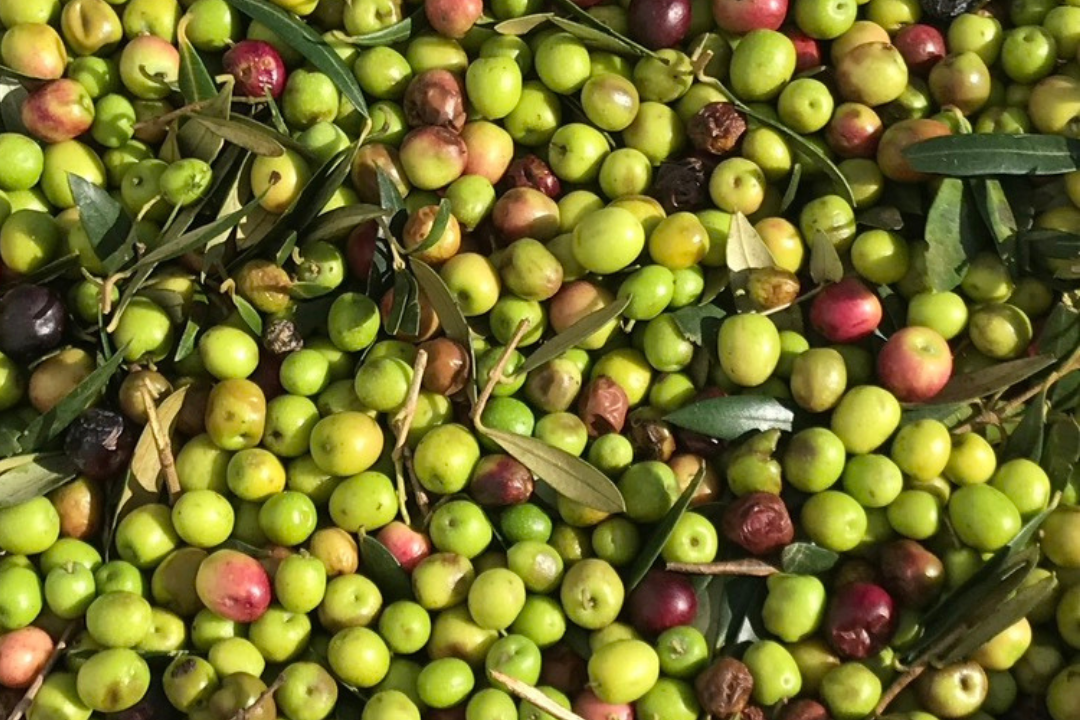
I love olive oil. I use generous amounts of olive oil on my food, everything from vegetables and soups to fish and meat. Some years ago I worked for a company in Oslo that imported olive oil from Catalonia, and it was a pleasure to work with this incredible oil.
I learned about olive oil and how to distinguish high-quality olive oil from lower-quality oils. I’m highlighting olive oil in this post and will talk about refined oils in another post.
Stay away from refined oils and go for the extra virgin olive oil. Once you have seen the process behind high-quality olive oil, you also understand the huge difference between quality products and mass-produced oils.
Many commercial olive oils are refined, old, or oxidized, even when the packaging looks attractive. So-called “Pure olive oil” is actually a refined and processed product. It lacks the flavor, the polyphenols, the antioxidants, and many of the health benefits that make extra virgin olive oil so valuable. More about refined oils another day.
Back to the “liquid gold.” The term “liquid gold” universally refers to extra virgin olive oil (EVOO). This iconic expression was famously used by the ancient Greek poet Homer, and olive oil has remained a cornerstone of the Mediterranean diet and culture for thousands of years.
Extra virgin olive oil is the most natural form of olive oil, cold-pressed without chemical refining, which makes a significant difference both in quality and nutritional value. A real extra virgin olive oil should taste vibrant and fresh, often with a natural bitterness and peppery finish — signs of high antioxidant and polyphenol content. Freshness matters enormously, and once you experience truly fresh olive oil, you understand that olive oil can be as complex and alive as fine wine.
Do not be afraid to drizzle olive oil generously over your food. It has so many health benefits. Extra virgin olive oil is rich in monounsaturated fats, antioxidants, and anti-inflammatory compounds that support the heart, brain, nervous system, and digestion. It also helps the body absorb fat-soluble vitamins.
Research suggests that regular consumption of extra virgin olive oil may help support healthy cholesterol levels, protect blood vessels, and reduce inflammation throughout the body. The polyphenols found in high-quality olive oil act as powerful antioxidants that help protect our cells from oxidative stress and premature aging.
Extra virgin olive oil has also been linked to better cognitive health and may help support memory and brain function as we age. Some studies suggest that the Mediterranean diet, where olive oil is a cornerstone food, is associated with a lower risk of cardiovascular disease and certain age-related health conditions.
Olive oil is also gentle on digestion. It may support healthy gut function, stimulate bile production, and contribute to a balanced digestive system. Meals are more nourishing when healthy fats such as olive oil are included.
One of the things I appreciate most about olive oil is that it combines pleasure and health. It is one of those foods that is both delicious and genuinely healthy.
Keep it simple. Keep it real. Drizzle on:-)