
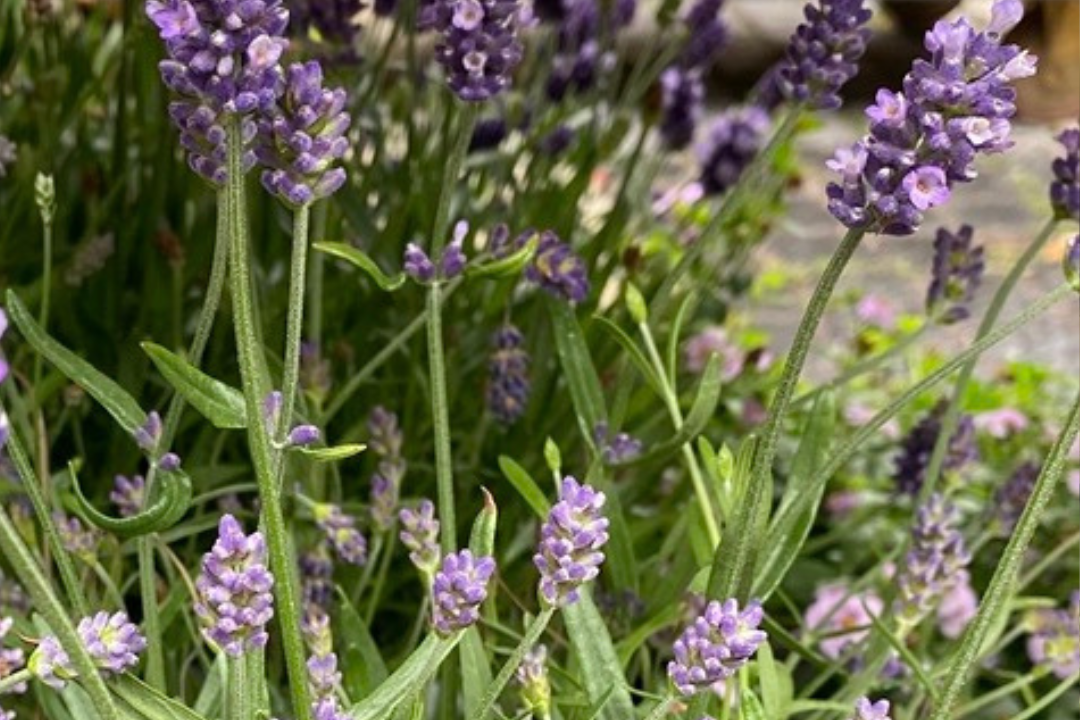
Lavender (Lavandula angustifolia)
Lavender oil is the most widely used essential oil in the world today. Its beneficial properties were discovered more than 2,500 years ago.
Used in small amounts, lavender can be uplifting and refreshing. In larger amounts, it is deeply calming and relaxing.
Lavender is one of the safest essential oils and can be used by people of all ages, from babies to the elderly.
Relaxing and Pain-Relieving
Lavender is balancing and regulating, helping to bring harmony to both body and mind.
It is excellent for physical symptoms related to tension and stress. Lavender can be helpful for irritability, mood swings, emotional overwhelm, and fatigue. Research has also shown that lavender may help support emotional well-being and reduce symptoms of anxiety and depression.
Lavender has mild pain-relieving properties and is often used for headaches and migraines.
For difficulty falling asleep, lavender is one of the most effective essential oils available.
How to use:
- Add 3–5 drops to a diffuser in the evening to promote relaxation and restful sleep.
- Add a few drops to a warm bath.
- Dilute in a carrier oil and massage onto the neck, shoulders, temples, or the soles of the feet.
- Inhale directly from a tissue or from the palms of your hands.
Skin
Lavender is calming, antiseptic, anti-inflammatory, and supports the skin’s natural regeneration process. It is effective for a wide range of skin concerns, including insect bites, eczema, itching, acne, sunburn, and minor burns.
It can also be beneficial for edema and boils when blended with lemon essential oil.
Lavender is often included in blends designed to improve the appearance of cellulite.
Because it encourages healthy skin renewal, it is especially valued for scars and stretch marks.
For acne, one drop can be applied directly to the affected area. For insect bites and minor burns, lavender is one of the few essential oils that may be applied neat (undiluted) in small amounts. For eczema and itching, it should be diluted, preferably in coconut oil, which has naturally cooling and soothing properties.
How to use:
- Apply one drop directly to blemishes.
- Dilute in coconut oil and apply to areas affected by eczema or itching.
- Massage diluted lavender oil daily onto scars and stretch marks.
- Add a few drops to your regular body lotion or carrier oil.
Respiratory system
Lavender has antispasmodic properties that may help calm coughing and support easier breathing.
Its antiseptic properties make it useful during colds, influenza, bronchitis, and other respiratory infections.
How to use:
- Diffuse 4–6 drops in a room during cold and flu season.
- Add 2–3 drops to a bowl of hot water and inhale the steam carefully.
- Dilute and massage onto the chest and upper back.
- Blend with eucalyptus for additional respiratory support.
Insect repellent
Mosquitoes and many other insects dislike the scent of lavender.
How to use:
- Diffuse lavender oil indoors during summer evenings.
- Add a few drops to a spray bottle with water and lightly spray around windows, doorways, and outdoor seating areas.
- Dilute and apply to exposed skin before spending time outdoors.
Lavender is often called the most versatile of all essential oils. Whether used for relaxation, sleep, skin care, respiratory support, or simply to create a sense of calm, it remains one of the most loved and widely used oils in aromatherapy.