
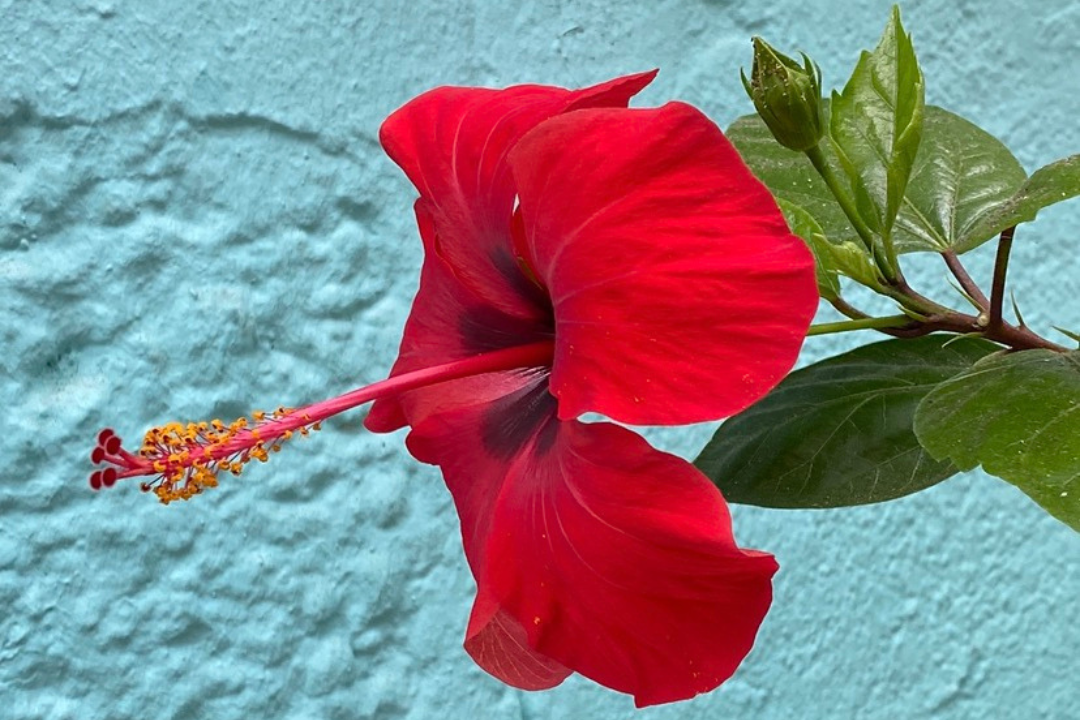
Hibiscus (Hibiscus sabdariffa) is best known for its beautiful deep red tea and has been traditionally used in many cultures both as a beverage and as a medicinal plant.
Health Benefits of Hibiscus
Rich in antioxidants
Hibiscus contains anthocyanins and polyphenols, which help protect the body’s cells from oxidative stress.
May support healthy blood pressure
Several studies have shown that regular consumption of hibiscus tea may help lower mildly elevated blood pressure. The effect is generally modest but well documented.
Supports heart health
Hibiscus may contribute to improved blood lipid levels and support cardiovascular health through its antioxidant properties.
Mild natural diuretic
Traditionally, hibiscus has been used to support the body’s natural elimination processes and help reduce water retention.
Support liver health
Hibiscus have protective effects on the liver. There is research that shows that hibiscus:
Support the liver’s natural detoxification processes
Protect liver cells from oxidative damage
Help reduce inflammation in the liver
Contribute to improved liver function markers
Help prevent fat accumulation in the liver and support healthy fat metabolism
Weight management
Hibiscus is sometimes used as a complement to weight-loss efforts when consumed as tea. Its refreshing tart flavor may also help reduce cravings for sweet foods.
Hibiscus Tea
Hibiscus tea has a fresh, tangy flavor that is somewhat similar to cranberry or pomegranate. It can be enjoyed both hot and cold and pairs beautifully with mint, ginger, or lemon.
To make a simple hibiscus tea, pour hot water over 1–2 teaspoons of dried hibiscus flowers and let it steep for 5–10 minutes. This creates a beautiful ruby-red drink.
If you take blood pressure medication or have naturally low blood pressure, it may be wise to avoid drinking large amounts of hibiscus tea on a regular basis.